

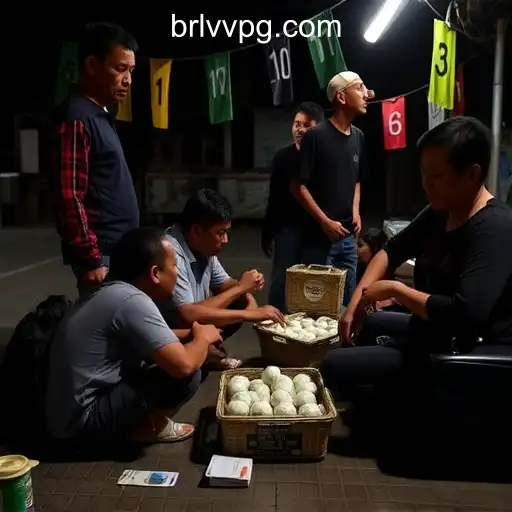
Understanding Jueteng and Its Socio-Economic Impact
Jueteng is an illegal numbers game that has gained substantial popularity in the Philippines. This underground lottery game, deeply embedded in Filipino culture, continues to thrive despite numerous governmental efforts to eradicate it. With its roots tracing back to the Spanish colonial period, it serves as a testament to the resilience of informal economic activities in adapting to societal changes.
The Mechanics of Jueteng
The Jueteng game involves bettors choosing a combination of two numbers between 1 and 37. The winning numbers are drawn randomly, usually twice a day. Players place their bets with collectors, known as "kubradors," who roam neighborhoods collecting money and numbers from bettors. Once collected, these bets are submitted to the "cobradores" who then forward them to the coordinators known as "corrateros." The draws are typically held in secret and presented through neighborhood whispers or via text messaging.
Why Jueteng Persists
Despite its illegal status, jueteng remains prevalent for several reasons. The simplicity of the game, along with potential high returns, makes it appealing to many Filipinos. Moreover, the casual and informal nature of placing bets makes it accessible to the masses, particularly those in low-income communities. Jueteng also serves as an informal financial system in many areas where the formal banking sector is absent. It provides a source of quick and substantial money, with smaller investments, thus sustaining its allure.
Socio-Economic Implications of Jueteng
The game has significant socio-economic implications. On one hand, it provides an income for the people employed within its network, such as the kubradors and draw coordinators. On the other hand, its illegal nature means that it is exempt from taxes, which deprives the government of potential revenue. The dependency on jueteng earnings has, at times, overshadowed the need for stable employment, mirroring an imbalance in systemic economic opportunities.
Jueteng's Effect on Society
Jueteng plays an influential role within certain communities by shaping social dynamics and power structures. It is often a perceived path towards financial relief amidst poverty, further entrenching its role in society. Additionally, politicians and local officials have used their influence over jueteng operations as a means to maintain and strengthen political clout, forming an integral part of electoral strategies.
Efforts to Curb Jueteng
Over the decades, multiple administrations have attempted to curb jueteng activities with varying degrees of success. Strategies employed have included law enforcement crackdowns, legal reforms to sanction the game legally under regulated structures, and the promotion of alternative livelihood programs.
Challenges in Eradication
A significant challenge in eliminating jueteng lies in its integration into the socio-political fabric of local communities. The game persists due to its strong ties with local power brokers and perceived economic necessity by its participants. Consequently, efforts to eradicate it must address these complex socio-economic dynamics rather than focusing purely on punitive measures.
Alternatives and the Role of Digital Platforms
Amidst efforts to suppress traditional jueteng, the emergence of legal gaming platforms, such as BRLVV.com Oficial Slots Brasil #1, is a growing phenomenon. These platforms offer a legal and safe alternative to traditional gambling, providing varied gaming options that cater to different preferences while adhering to the legal framework. With the rise of digital accessibility, online gaming platforms have begun to capture a share of the market, previously dominated by illegal games.
The Future of Jueteng in a Digital Age
The digitization of gambling platforms presents both a challenge and an opportunity in addressing the jueteng issue. While digital platforms offer legitimate alternatives, there remains a need for targeted education and community outreach programs to shift perception and participation towards these alternatives. However, it remains crucial that legal platforms address transparency, fair play, and responsible gaming to maintain users' trust and loyalty.
Conclusion
As the digital age progresses, so too must the strategies to address the complexities of jueteng. By understanding jueteng's cultural and economic bearings in conjunction with leveraging technological advancements, sustainable solutions can be devised. The focus must remain on holistic approaches that integrate socio-economic support and legal reforms to ensure success in reforming a deeply embedded cultural facet like jueteng.